Bridge No. 3 – The 49th Nihon Kobudō Enbu Taikai

Already in the previous year, I had the good fortune to write a report on the 48th Nihon Kobudō Enbu Taikai. All the greater, therefore, was my pleasure to once again be able to write about this special event in the present year.

In contrast to the previous year, different ryūha were represented this time. This gave me the opportunity to become acquainted with new schools, to see the performers for the first time, and thus to gain fresh impressions and new insights.

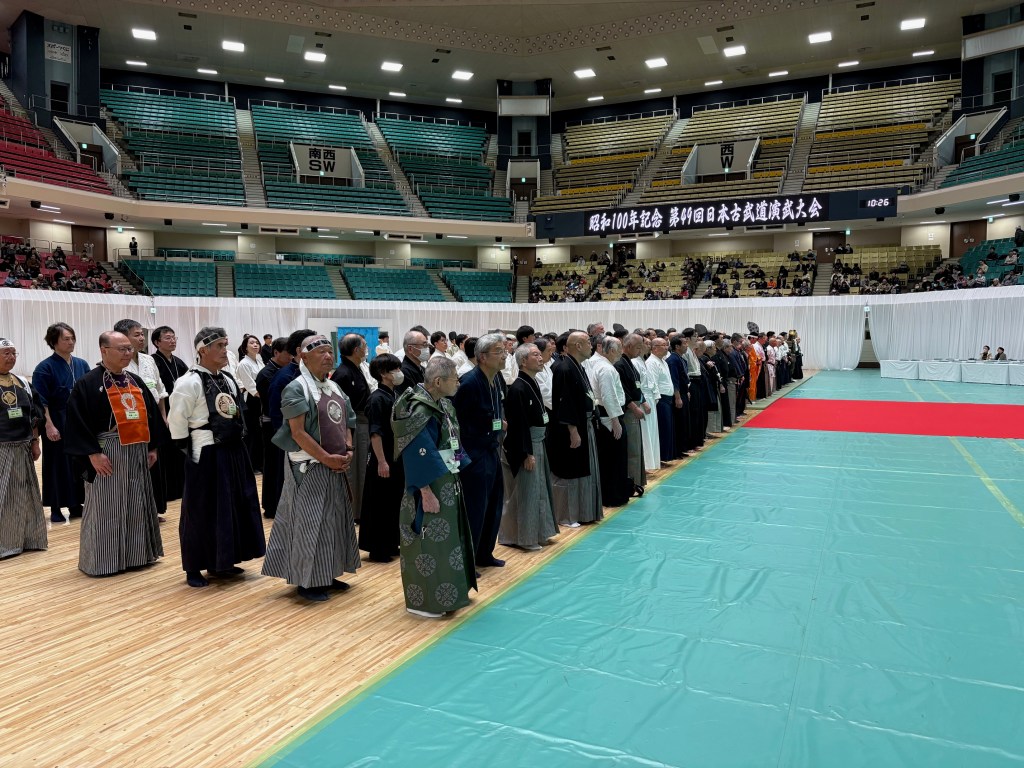
In the field of karate, a group of the TOGKF under the leadership of Terauchi Kazuo was represented this year, as well as a group of the Itosu-ryū under the guidance of Sakagami Sadaaki. The program was further complemented by Motobu-ryū under the leadership of Motobu Tomoyuki, the new sōke of Motobu-ryū. Only recently, he had assumed leadership of the school from his father, Motobu Chōsei—the son of Motobu Chōki. The demonstration featured Motobu Udun-dī, a tradition that was returned to the Motobu family through Uehara Seikichi.

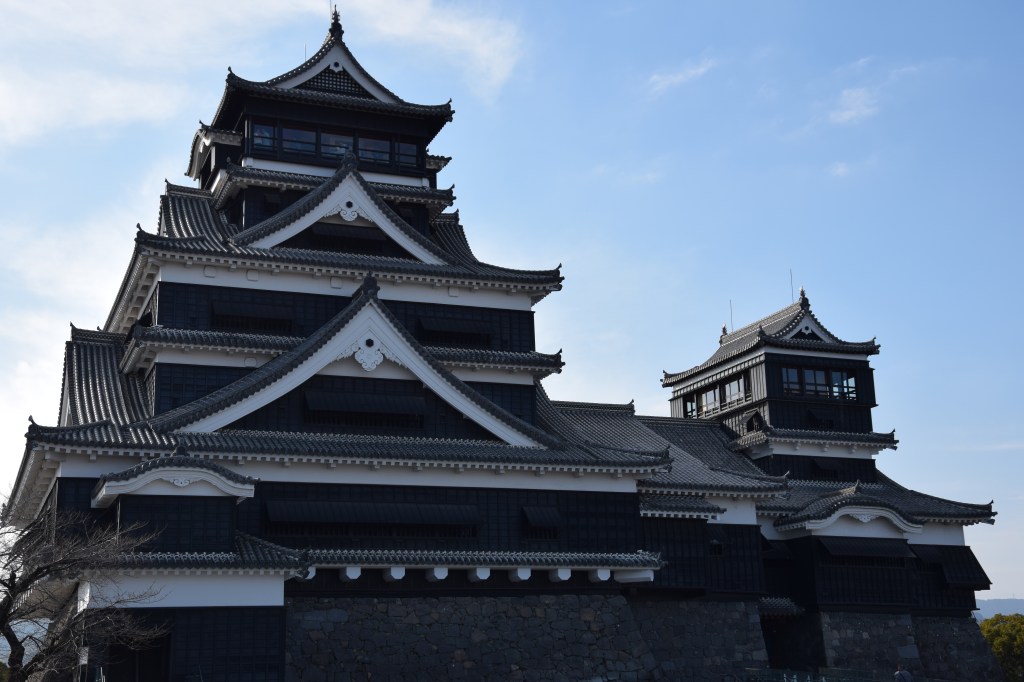
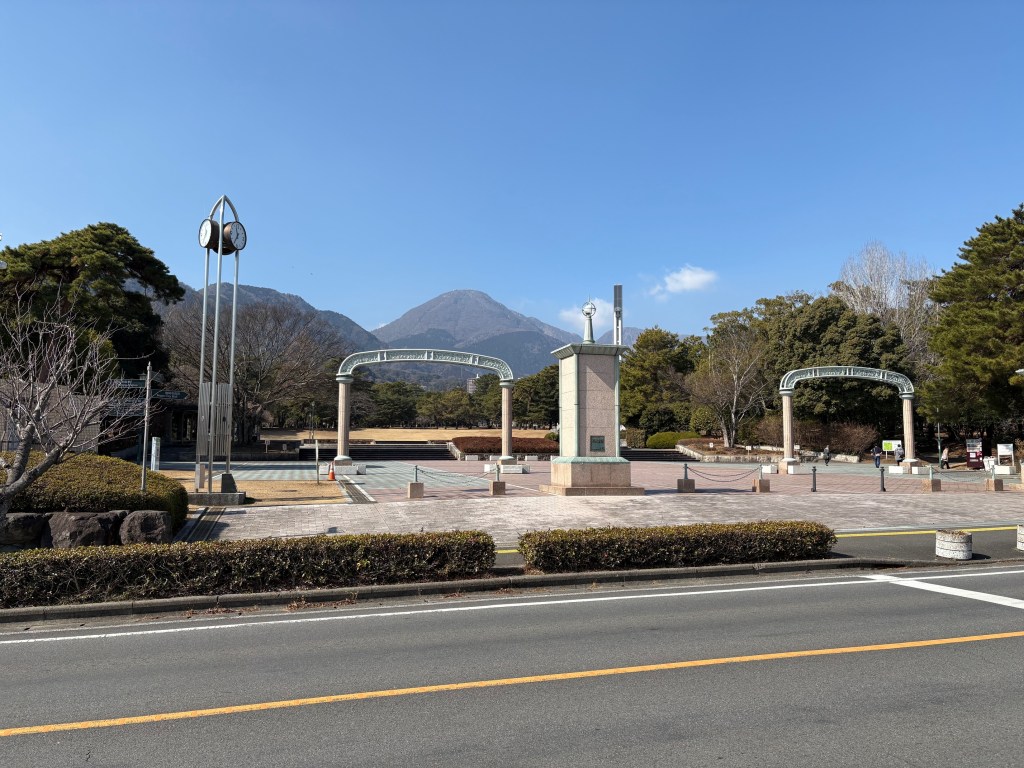
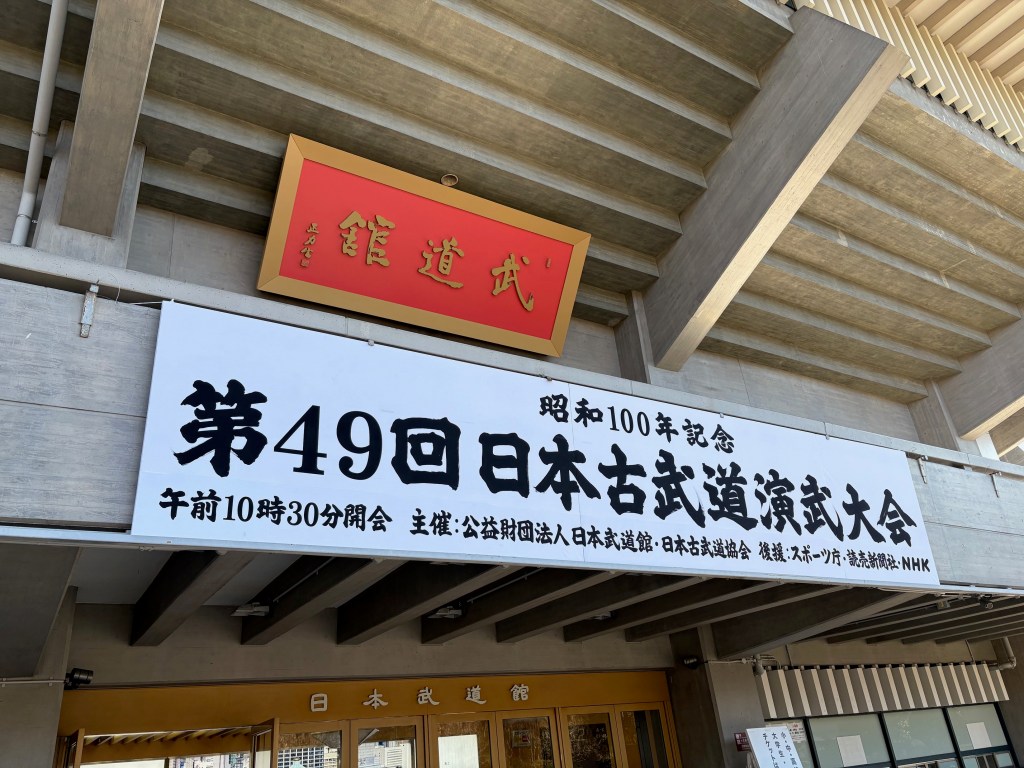
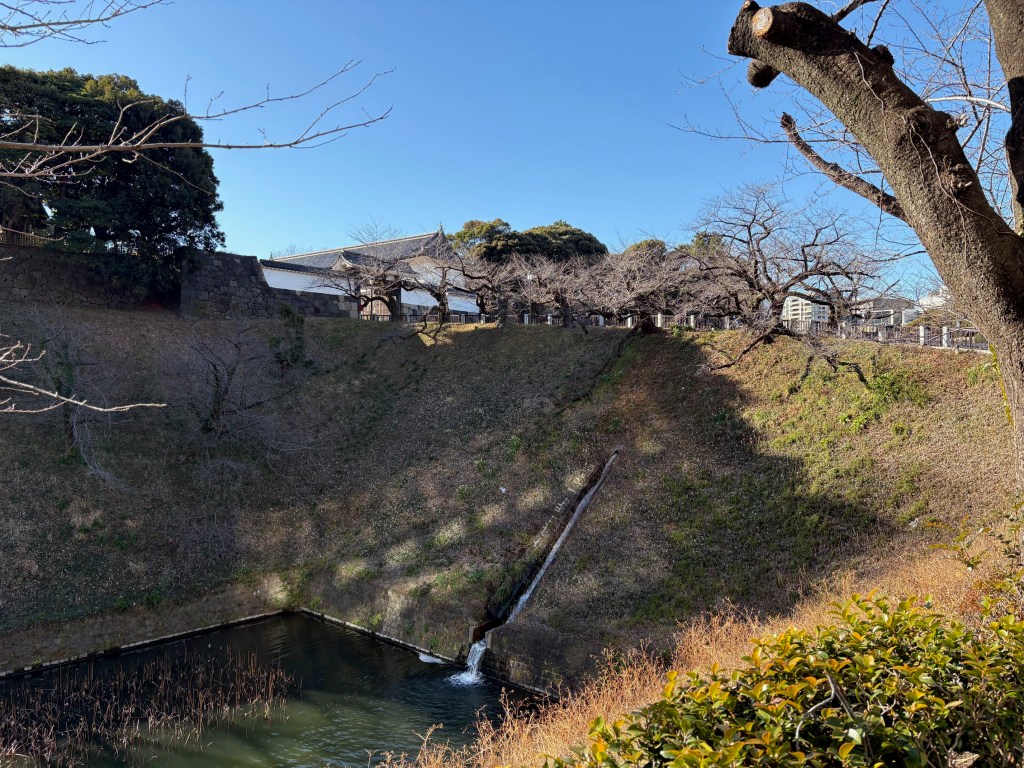
As in the previous year, I entered the Budōkan from the same side. The path once again led me across a bridge and through the Tayasumon (Tayasumon Gate) up to the Budōkan. In that moment, it became clear to me that this bridge was more than merely part of the route. It stood as a symbol of my own journey—from archives and books, from written sources and historical research, toward living encounters and immediate experience. Crossing the bridge thus became a quiet transition: from the attentive observation of the participants and their demonstrations to the later act of putting the experience into words, from detached viewing to conscious participation, from writing to living.

Inside the Budōkan itself, I encountered many familiar faces and followed the demonstrations with great interest—carried by the feeling of once again being in a place where the past and present of budō are naturally interwoven.

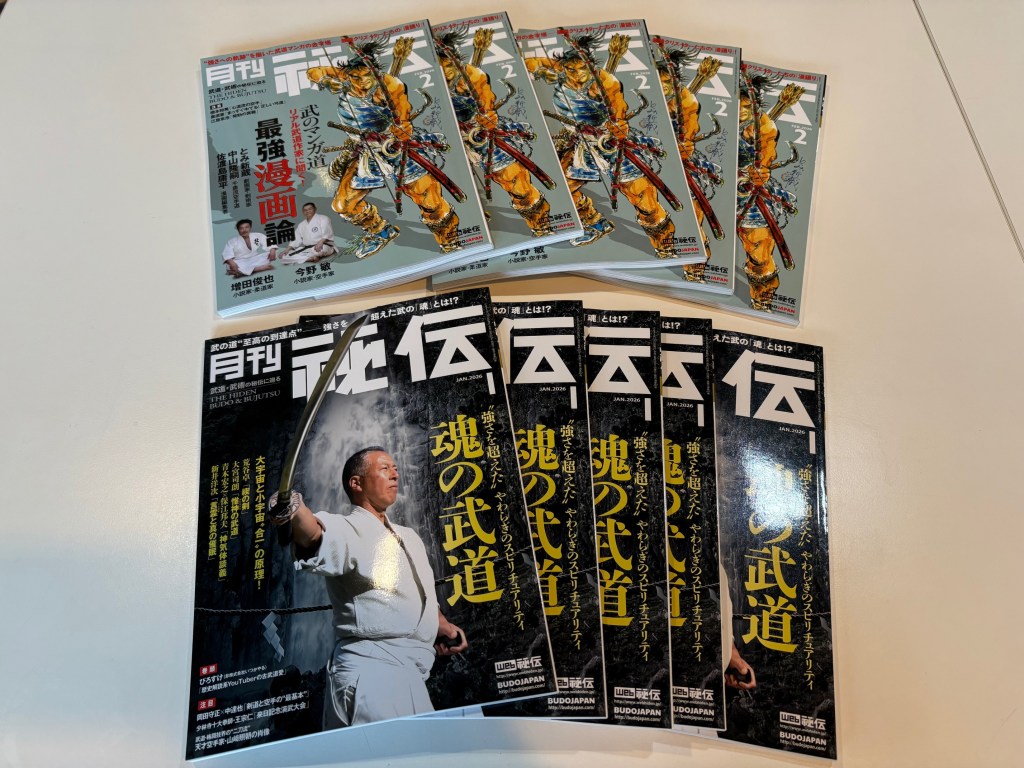
My special thanks goes to Ogawa Takashi, editor of Gekkan Hiden, for once again placing his trust in us and giving us the opportunity to report on this significant event.

Bridge No. 2 – The Grandson of Miyagi Chōjun

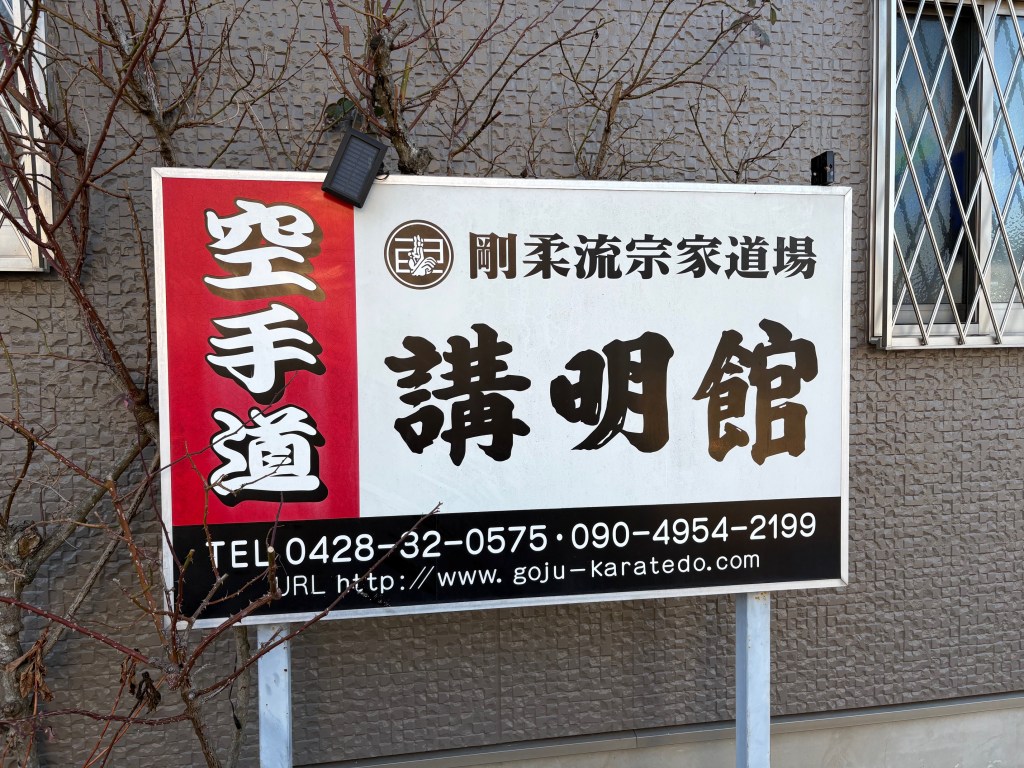
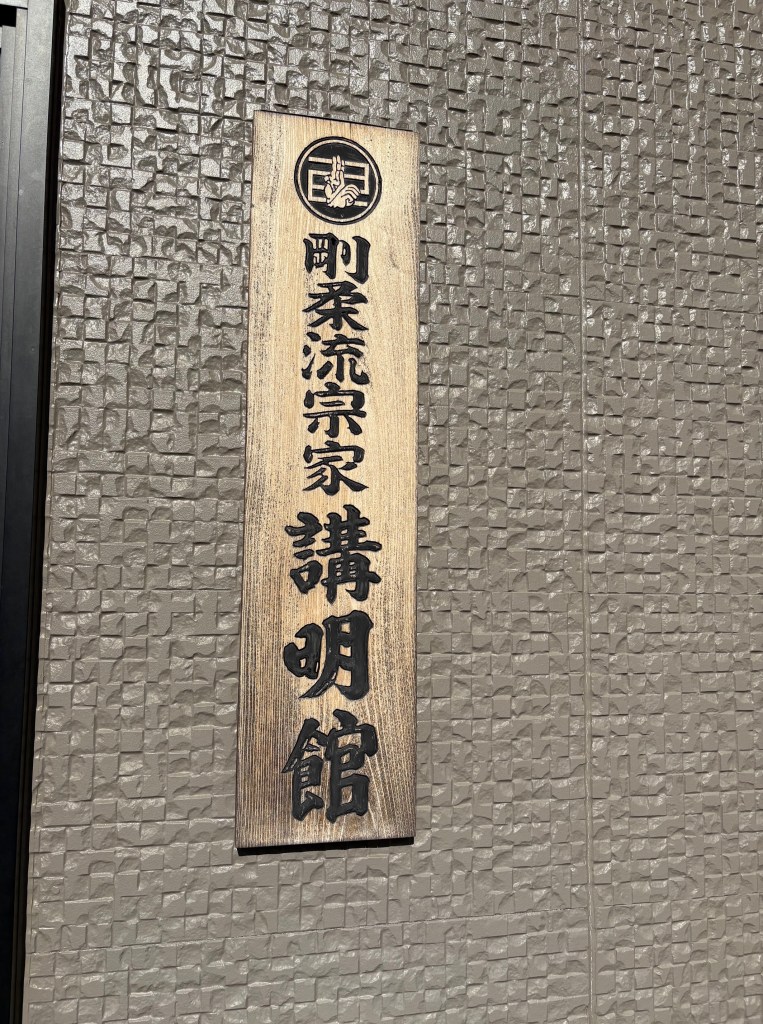
For a long time, I had wished to visit the Kōmeikan dōjō of Miyagi Tōru sensei. It is located in the greater Tōkyō area and was originally founded by his father, Miyagi Takashi, the eldest son of Miyagi Chōjun. Miyagi Takashi had gone to mainland Japan before the war and settled there, where he later established the dōjō. Miyagi Tōru learned karate from his father, who in turn had been taught directly by Miyagi Chōjun. Karate is therefore deeply rooted within the family, and Miyagi Tōru’s sons are also continuing this tradition through their own practice.

At this point, I would like to express my sincere gratitude to Hans Tanaka, who kindly established direct contact for me and generously supported me throughout my visit.

My primary objective was to examine the connection to Tō’on-ryū more closely. In this context, I had heard that Miyagi Takashi had once traveled to Beppu in order to receive instruction in the kata Sanseirū. Although he had already learned this kata from his father before the war, oral tradition maintains that Takashi also went to Beppu specifically for further training. Miyagi Tōru sensei provided me with some insights into this story, which I will reveal in a later English translation of my Gekkan Hiden articles.

Already in the previous year, I had the opportunity to ask Koyama Masashi sensei about the Sanseirū of Iraha Chōkō. Koyama Masashi learned this version during his visit to Okinawa in 1977, and it differs slightly from the kata preserved in Beppu today. It was therefore all the more gratifying to be able to observe the version practiced at the Kōmeikan dōjō as well.

As I had previously written about Miyagi Tōru’s grandfather and his journey to Hawaii in 1934, it was a great pleasure to speak with Miyagi Tōru about his grandfather’s journey to Hawaii. Miyagi Chōjun was an early karate pioneer who sought to build bridges not only on mainland Japan, but also on the island of Hawaii. A great surprise came when Miyagi Tōru opened several small treasures for me and allowed me to examine them more closely—among them were books containing previously unseen newspaper articles from Hawaii, as well as much other interesting material.

After the training session, during the time spent talking afterward, Miyagi Tōru sensei surprised me by taking me to the Miyagi family tomb in Tōkyō.

In that moment, it felt as though a bridge had been built—formed both by my written words and by the train journey from my hotel to the dōjō of Miyagi Tōru sensei. I sincerely hope to have the opportunity to visit him again in the future.

It was both an honor and a great pleasure to meet the Miyagi family in person, including Miyagi Tōru’s second son, Miyagi Manobu sensei, as well as the many kind and very welcoming students of the Kōmeikan dōjō. I am deeply thankful for the opportunity to take part in a three-hour training session, as well as for the extensive time spent together afterward; altogether, I was away from my hotel for more than twelve hours.

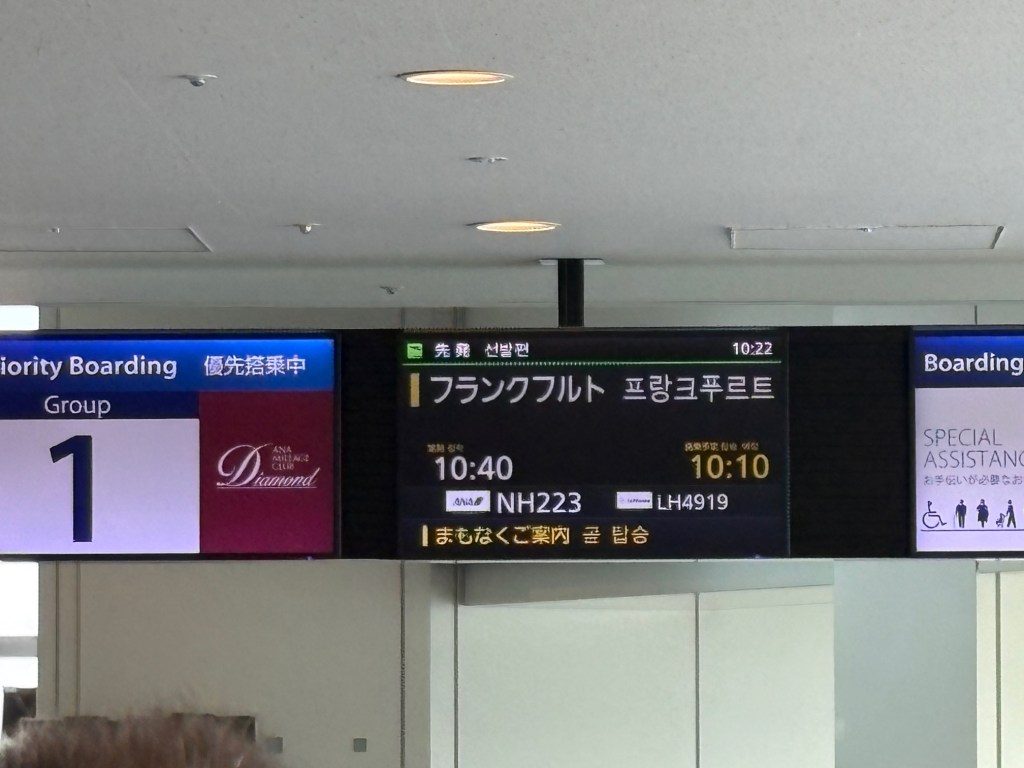
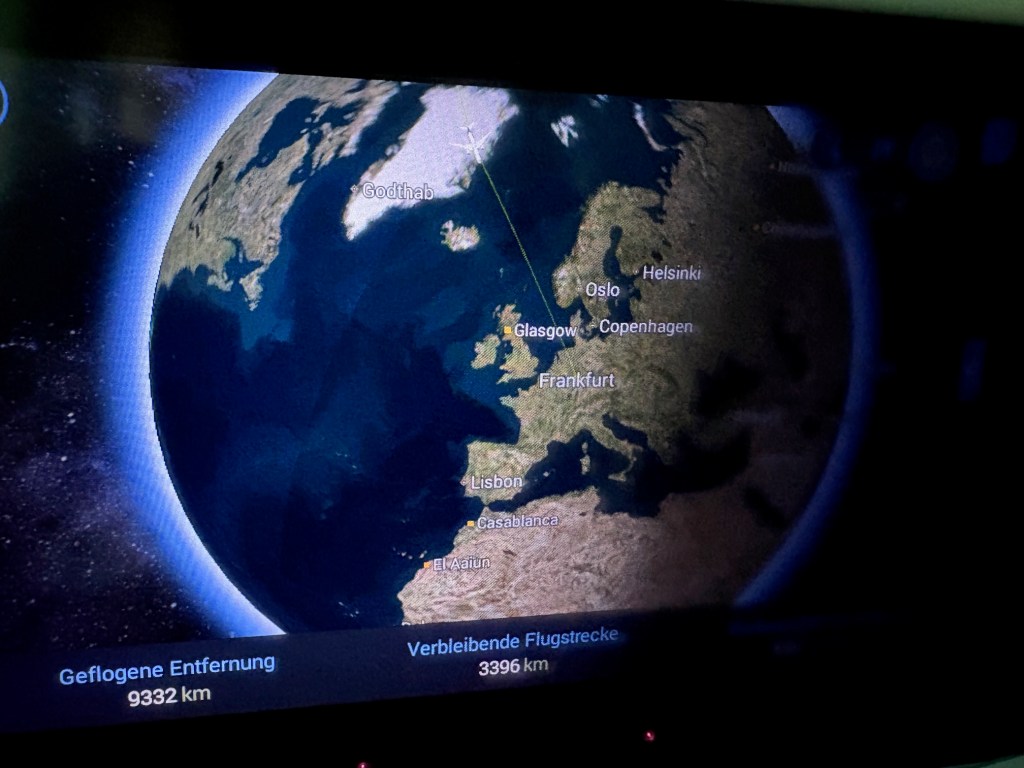
Bridge No. 1 – The Underground Connection at Frankfurt Airport and My Flight to Japan

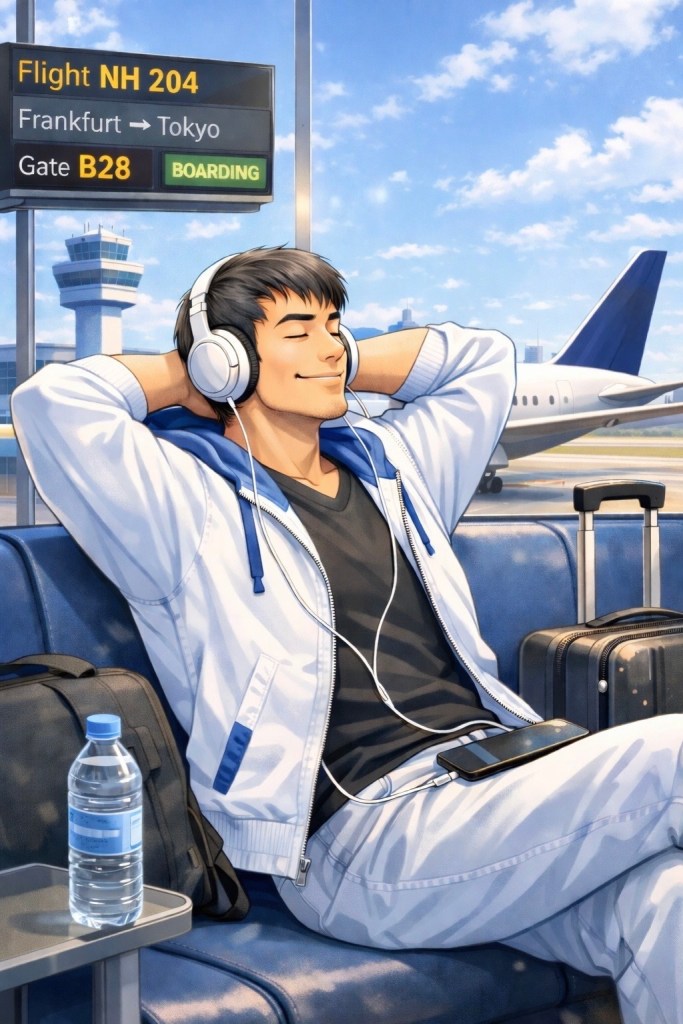
My journey to Japan begins today, and I want to invite you to join me, even if only a little, along the way. At Christmas, I shared a picture on my Facebook page, accompanied by the words:

“It is more important to build bridges than to destroy them.”

This thought will accompany me on my journey. I plan to describe my trip while reflecting on bridges – both real and metaphorical. To be precise, I have decided to divide this journey into seven chapters: Seven Bridges. Ironically, before I was born, there was already a song called “Über sieben Brücken musst du geh’n” (“You must go over seven bridges”), which was later even performed in English by Chris de Burgh.

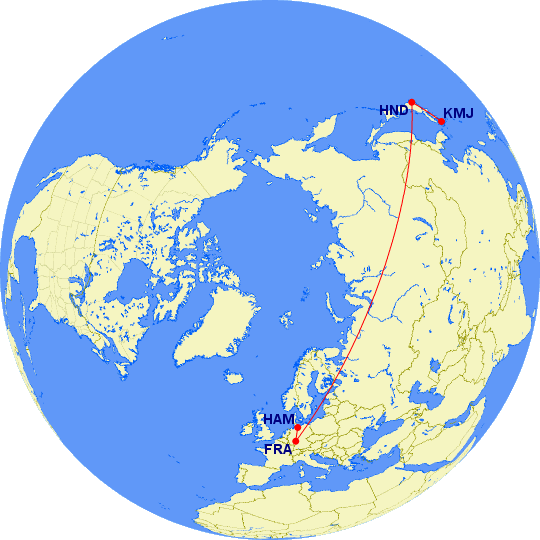
The song carries a somewhat melancholic tone. My journey, however, is meant to be joyful and enlightening. But as the saying goes: every journey begins with the first step. For me, this first step leads from my front door to Hamburg Airport – the Hamburg Airport Helmut Schmidt – and from there to Frankfurt, Germany’s major international hub.

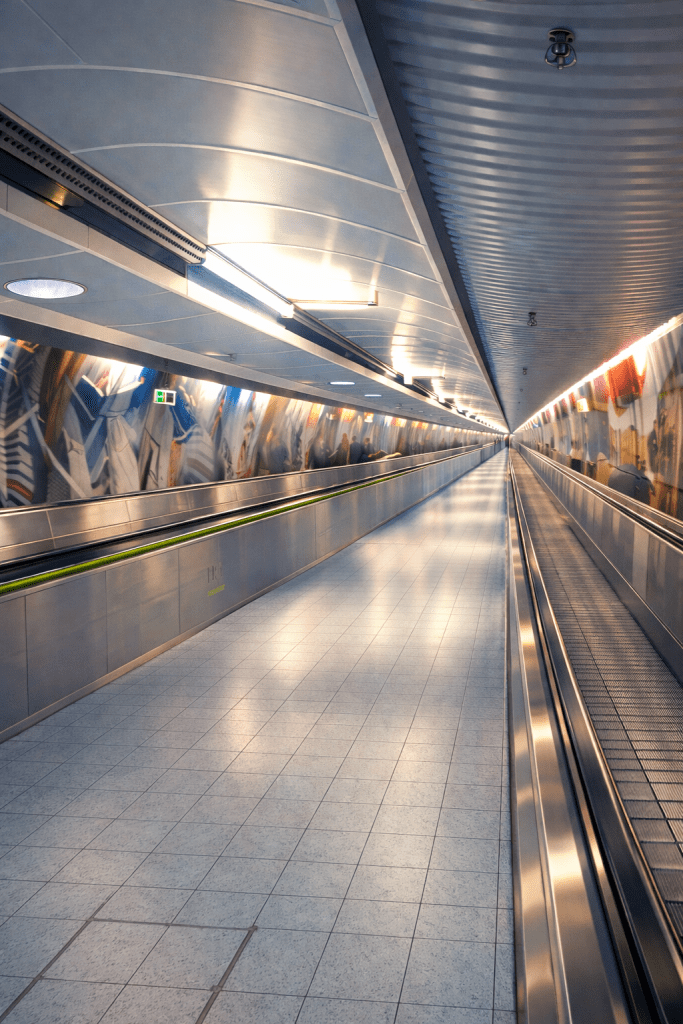
And here begins the first bridge – or more precisely, a tunnel that functions much like a bridge. It connects places that would otherwise be difficult to reach. In Frankfurt, it links the domestic and international sections of Terminal 1, passing directly beneath the passenger boarding bridges and the aircraft parking positions. In this way, it forms a connection that ties passengers, terminals, and operations together – a kind of “underground bridge” right in the heart of the bustling airport. From here, my journey continues without interruption, directly to Tōkyō – my first, temporary stop in Japan.

Not long ago, reaching Japan from Europe was only possible with great effort – either via the long route of the Trans-Siberian Railway or by ship. In between, there were the first flights with multiple stopovers, which felt more like an expedition than a single flight. These early routes connected continents, but required patience, time, and a sense of adventure. It wasn’t until the 1980s that nonstop flights made a direct connection possible, greatly simplifying travel. In 2008, I had the chance to travel to Japan – specifically Okinawa – for the first time. Back then, my route still went from Frankfurt to Taipei and then onward to Okinawa.

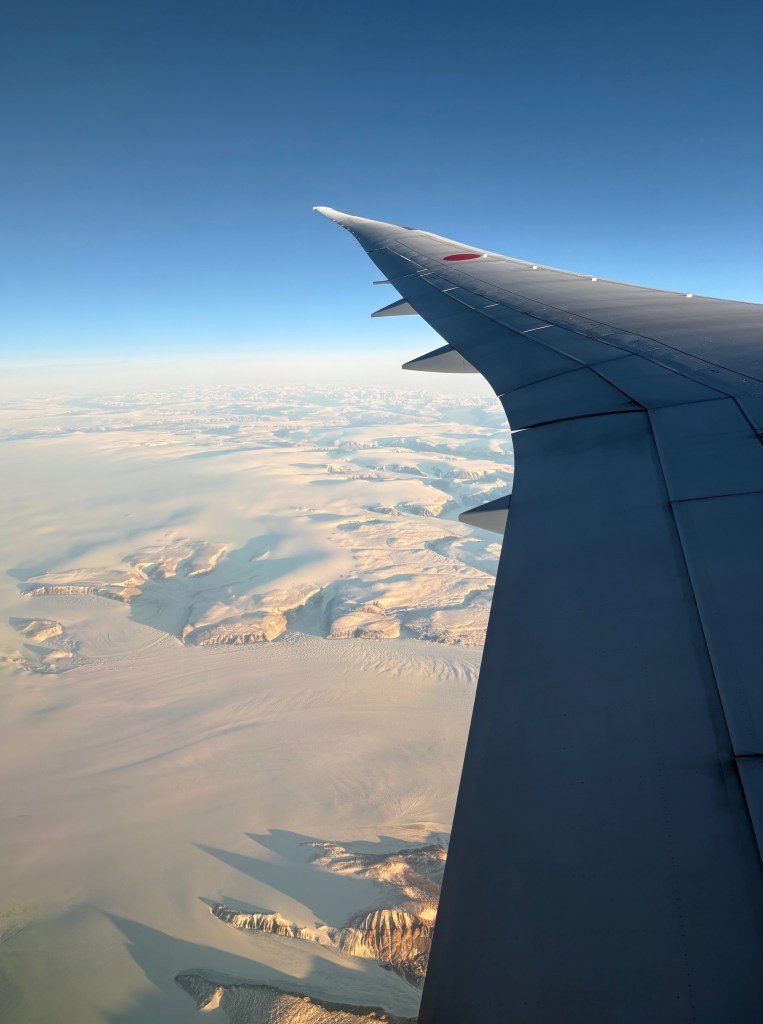
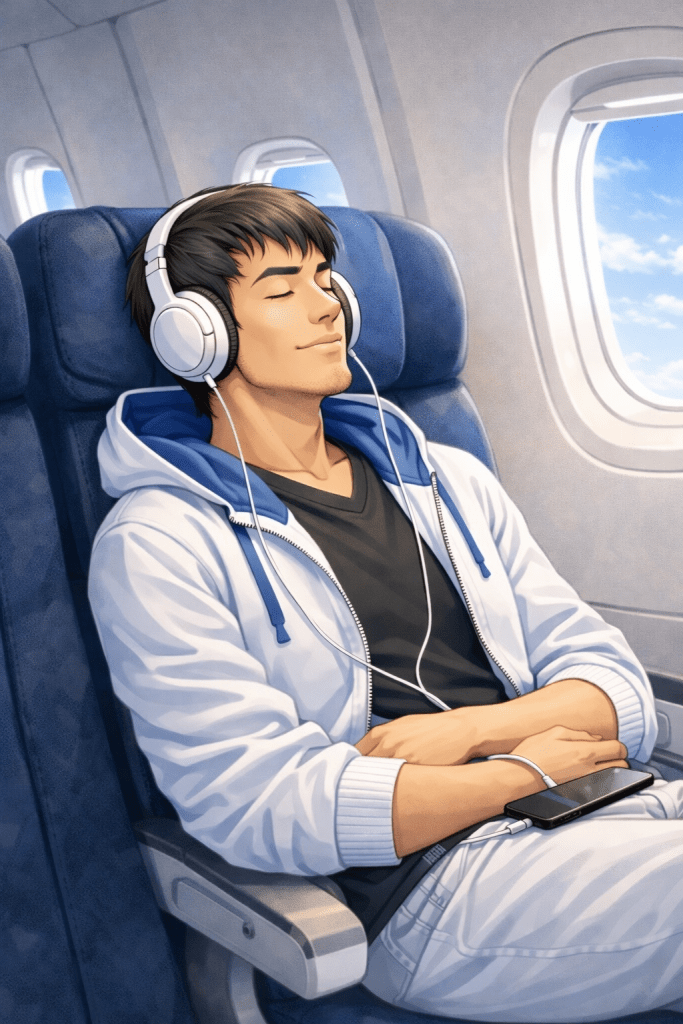
Travel has become much more comfortable since then, and I hope to get some sleep on the plane… because many more bridges in Japan await me. Of course, many karate-related experiences and other fascinating things are waiting for me this time, and I will describe them in detail in the coming days.

Until then… wish me a good rest over the clouds.

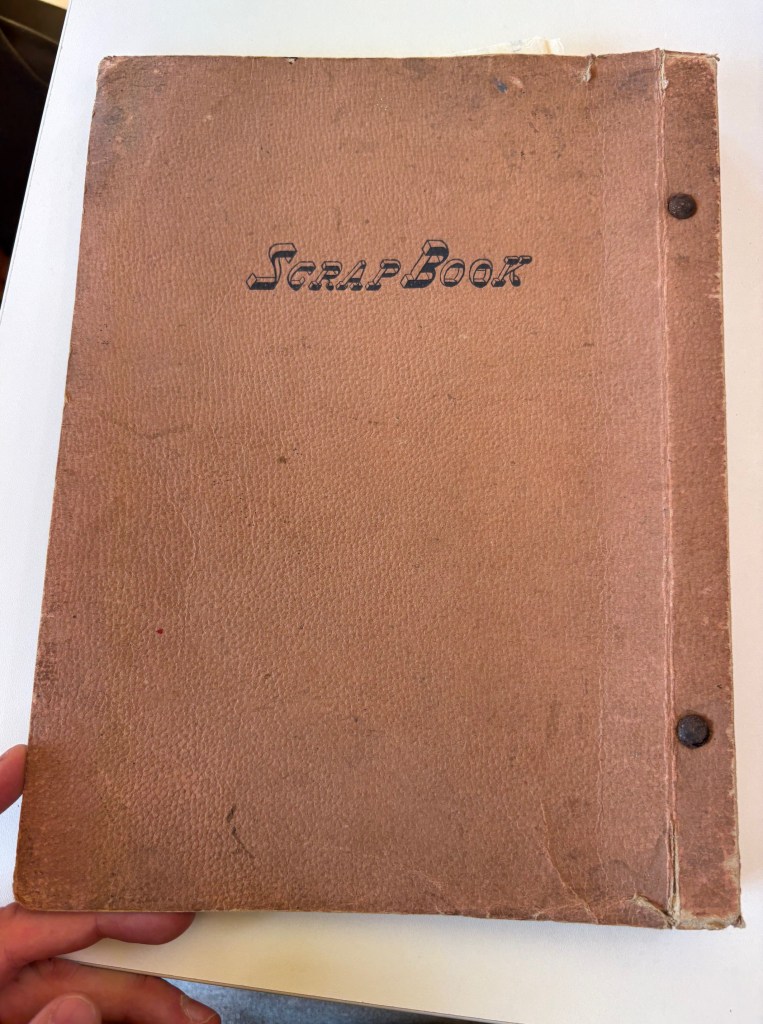
Karate History Between the Pages

I also consider myself a book collector — a passion that probably began around 2006, shortly after I started my martial arts journey. From the very beginning, I purchased many books by well-known masters, as well as a small number of Japanese books. At that time, I mainly focused on my own style, which was Shōtōkan — the same style practiced by many German karateka.

However, once I began studying Matayoshi Kobudō, I also started collecting a wide range of books on Okinawan and Ryūkyū Kobudō. I was quite fortunate during that period, as Henning Wittwer and Andreas Quast published their first book, and Mario McKenna was just about to complete his translation of Karate-dō Taikan by Nakasone Genwa. I purchased a copy from him immediately and was also able to obtain a signed copy at that time.

As I delved deeper into historical research, my focus gradually shifted more toward historical studies rather than purely technical ones. Of course, I still enjoy reading technical manuals, but training should primarily take place in the dōjō — not in front of a book or a screen. Over the years, I have therefore acquired more and more historical material, and I am still collecting today. More precisely, I am constantly searching for specific Japanese books that are still missing from my collection.

I have great respect for book collectors, and I am in frequent contact with several of them. We compare collections, exchange feedback, and sometimes I even share my opinion on what constitutes a fair price.

While I truly enjoy collecting books, I equally enjoy reading them — or, more accurately, working with them as sources. For this reason, I regularly search for very rare books, and fortunately, I am often able to locate them. From time to time, a sought-after book turns out to be sitting on the bookshelf of a fellow karateka who shares the same passion for karate literature.

Keep collecting — and let us share our experiences together.

The Legacy of Go Kenki

One third of our Tō’on-ryū series has already been published and has, gratifyingly, generated a great deal of positive feedback. It is therefore time to take a quick look at the following article. This contribution focuses on the Chinese martial artist from Fuzhou who is known in Japan primarily under the name “Go Kenki”.

The article is based not only on written sources but once again also on on-site interviews.

Two interviews conducted in 2024

Training, Travel, and Research: A Path Between Okinawa and Polynesia – A Valuable Article Series by Mario McKenna in “The Land of the Long White Cloud”

When I am asked whether I have trained seriously and continuously since 2005, I can answer this unequivocally in the affirmative. There was, however, a brief period during which my focus temporarily shifted to other themes. I view this time less as an interruption and more as a conscious personal chapter, which I like to describe as a “Polynesian adventure.” Even during these years, I continued to train consistently and traveled to Okinawa on several occasions to further my training, while at the same time spending a considerable amount of time in Polynesia. In retrospect, this phase can be placed between the years 2013 and 2014.

During this period, I undertook several journeys to Polynesia. In November 2013, my travels took me to Tonga, Samoa, New Zealand, the Cook Islands, and once again to New Zealand. In January 2014, I returned to New Zealand to retrieve equipment I had left there in November, before continuing on to French Polynesia. In October of the same year, I traveled to Okinawa and then onward to Hawaii—it was my second visit to Oʻahu, but my first journey to Kauaʻi, Maui, the Big Island, and Molokaʻi.

I had already visited New Zealand for the first time in 2012. Originally, I had planned to travel to Aotearoa in 2011, but that trip had to be canceled at short notice. Instead, I traveled to South America for the first time that year, spending several days on Easter Island. But back to New Zealand.

My original intention there had been to take part in a guided tour. Prior to that, however, I spent three days in Wellington with a clear objective: visiting the National Library of New Zealand. My specific aim was to locate a four-part article series on “Ryūkyū Kobudō and Taira Shinken,” written by none other than Mario McKenna, with whom I have been in contact since 2009. At that time, I had already ordered two of his books, which he kindly signed and which I still carefully preserve today.

In addition to this article series, I reviewed and copied several other relevant texts. I also recorded a few impressions from my visit to the library. Looking back, it is almost surprising to realize that I have been spending countless hours in libraries and archives since as early as 2012—work that continues to form an integral part of my path to this day.

Kata in Video – Between Inspiration and Caution

Martial arts videos are widely available today. On platforms such as YouTube, in streaming archives, or on instructional DVDs, numerous kata from many different traditions can be found. For many practitioners, these recordings provide inspiration, visual reference, or additional motivation. At the same time, however, it is important to approach kata videos with care and discernment.

Okinawa Kobudo Vol. 1 + Vol. 2

The Apparent Ease of Learning

At first glance, kata may seem easy to learn from video. The sequences of movement are visible, can be replayed, slowed down, and observed in detail. This can create the impression that a kata has been understood once its external form can be reproduced.

However, the deeper elements of a kata tell a different story.

The essence of a kata—including body structure, internal connection, breathing, timing, distance, intention, transitions, and practical application—cannot be fully conveyed through video alone. While recordings may present the outer shape, the inner principles remain largely inaccessible without direct guidance.

The Risk of Misunderstanding

Practicing kata primarily through videos can lead to misunderstandings or the gradual development of habits that do not reflect the intended principles. Such habits may later be difficult to adjust. Perhaps more importantly, reliance on video alone can create a sense of confidence that does not accurately reflect one’s actual level of understanding.

Martial arts are best learned through a direct teaching and learning process, in which explanation, correction, feedback, and personal interaction play a central role.

Layered Teaching and Traditional Discretion

In many traditional systems, instruction is offered progressively and in stages. Certain aspects of the art are not openly displayed and are reserved for personal instruction. As a result, publicly available videos—even official ones—may show only an external or introductory level of practice, and in some cases forms that differ from those taught in private.

This does not imply deception, but rather reflects long-standing traditions of careful and responsible transmission.

The Example of Matayoshi Shinpō

A frequently cited example in this context is the body of video material featuring Matayoshi Shinpō. The kata presented in these recordings differ significantly, in many respects, from what was transmitted through direct instruction. This appears to have been a deliberate choice, reflecting the view that the true substance of the art is best conveyed personally rather than through recordings.

For this reason, such videos should be understood as demonstrations, not as comprehensive instructional guides. The deeper principles and correct expressions of the kata were shared through direct, in-person teaching.

Videos as Support, Not as Substitute

None of this diminishes the value of martial arts videos when used appropriately. They can inspire interest, help recall previously learned material, and offer opportunities for comparison. However, they are best seen as a supplement to training, not as a replacement for qualified instruction.

The most important aspects of martial arts cannot be paused, replayed, or downloaded. They must be experienced, guided, and gradually embodied through practice.

Conclusion

I enjoy watching videos and appreciate their availability.

At the same time, my learning takes place directly, through personal instruction.

Martial arts are sustained through transmission and understanding, not through imitation alone.

Videos may show movement—teaching conveys meaning.

Miyagi Chōjun and the Formation of Gōjū-ryū Karate-dō – An English Translation of Koyama Masashi’s Japanese Article Series

Introduction

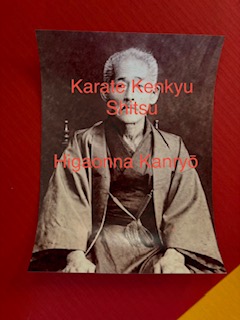
This upcoming book offers a concise yet in-depth historical study of Gōjū-ryū Karate, tracing its development from Naha-te to its formal recognition in the modern era. Focusing on the lives and teachings of Higaonna Kanryō and Miyagi Chōjun, it explores training methods, naming processes, and the cultural exchange between Okinawa, Japan, and China.

Based on primary sources and long-term research, this work goes beyond simplified lineage narratives and presents new perspectives of interest to serious practitioners and historians alike.


Table of Contents

Chapter 1: Introduction
What is Gōjū-ryū?
Higaonna Kanryō and Naha-te
The Naming of Gōjū-ryū

Chapter 2: Training in Naha-te
Becoming a Student of Higaonna Kanryō
Training
Military Service
The Passing of Kanryō

Chapter 3: The Formation of Gōjū-ryū — Chōjun during the Taishō Period
Fuzhou
Training Alone
Okinawa Karate Club

Chapter 4: The Great Leap Forward — Naming of Gōjūkai
To the Mainland
Adopting the Name Gōjū-ryū
From Chinese Hand to Empty Hand
Popularization

Chapter 5: The Man Miyagi Chōjun — From Wartime to Postwar
World War II
Chōjun’s Family
Chōjun, the Okinawan
Chōjun, the Martial Artist

Chapter 6: At the End of the Series

Report on Visiting the Jīng Wǔ Athletic Association (Special Edition)
About Higaonna Kanryō


Limited Edition

Limited Edition

A limited edition will include three exclusive additional chapters that will not appear in the later standard edition, making it a unique release for collectors and dedicated readers.

The limited edition will be strictly limited to no more than 200 copies. Pre-orders may be placed directly with me via my website or Facebook. Once an approximate publication date is available, further details regarding the ordering process will be communicated via Messenger or email.

The Shihan-Certificate of Iwata Manzō

Shihan Menjō of Iwata Manzō

Shihan Menjō

Iwata Manzō

The above-named person has, over many years, diligently devoted himself to the practice of karate-dō. Through earnest effort, he has cultivated both mind and technique to a high level and has thoroughly mastered its profound principles.

Accordingly, he is hereby authorized and certified as a Karate-dō Shihan.

May 1, 1944 (Shōwa 19)

Dai Nippon Karate-dō Kai Honbu

Kaichō Shihan: Mabuni Kenwa

Komon Shihan (Advisory Instructor): Miyagi Chōjun

(From: Gekkan Karate-dō, October Issue 2001, Vol. 367)

Writers Support Writers – Why Mutual Support Protects the True History of Okinawan Karate

The history of Okinawan karate is fascinating—yet full of gaps, misunderstandings, and lost documents. Many events were never written down but passed on orally. Other sources lie buried in private family archives or are simply difficult to access.

This is precisely why researchers, authors, and historians depend on one another. And this is where a principle comes into play that has a very special meaning in the study of karate history:

Writers Support Writers

Authors support authors.

Researchers strengthen researchers.

People who care about the same history build a larger picture together.

Knowledge is created together

Hardly anyone can reconstruct the full history of Okinawan karate alone. The deeper you dive, the clearer it becomes:

• There are few written records.

• Much information is scattered.

• Eyewitnesses have become rare.

• Some details exist only within specific ryūha traditions.

This makes every contribution valuable—whether it’s a book, an article, an interview, or a research trip to Okinawa. And equally valuable is the exchange between those who study the art.

What this support looks like

In practice, “Writers Support Writers” means:

• Helping each other by reviewing manuscripts.

• Sharing sources or leads to rare documents.

• Speaking openly about research questions and inconsistencies.

• And very importantly: buying each other’s books.

This may sound simple, but it is a genuine expression of respect and recognition. Every book represents research, time, travel, conversations, and personal investment.

When support reaches its limits

As wonderful as this principle is, it only works when mutual respect is present. Unfortunately, there are cases in which researchers realize:

• that their work is being misused,

• that material is copied without permission,

• or that the history of karate is intentionally misrepresented.

In such situations, support can—and should—end.

It is sad.

Often disappointing.

But ultimately necessary.

Because protecting historical truth is more important than maintaining false harmony.

When someone manipulates history, bends narratives, or benefits at the expense of others, it harms not only individual authors—it damages Okinawa’s cultural heritage itself.

Why this principle is especially important for Okinawa

The history of karate is not a simple timeline. It is a network of teacher–student relationships, local characteristics, political circumstances, and personal decisions.

This makes it all the more important that researchers and authors:

• exchange information freely,

• correct mistakes together,

• and include different perspectives.

This creates a picture that is grounded not in myths but in facts.

Conclusion: United for the truth

“Writers Support Writers” is more than a slogan.

It is an attitude.

It means:

• learning together,

• sharing openly,

• respecting one another,

• and preserving history as it truly was.

And it also means setting boundaries when truth is at risk.

Those who research honestly, respect Okinawan culture, and refuse to distort history for ego or profit remain part of this community.

Because only by working together can we understand the past and pass on the authentic future of Okinawan karate.